
Get started
Get started


Fuel is one of the highest controllable costs for small businesses that operate vehicles, yet most still manage fuel spend with personal credit cards, business charge cards, or basic fuel cards that lack controls, visibility, and meaningful savings.
A fleet card is a specialized payment tool for vehicle-related expenses that can provide fuel discounts, spending controls, and automated expense tracking designed specifically for fleet operations. For small businesses managing tight margins, choosing the best gas cards for businesses can deliver better cost control.
This guide compares seven fleet card programs side-by-side, evaluating network coverage, per-gallon savings, fees, fraud prevention, and qualification requirements.
Fleet fuel cards help businesses manage vehicle-related purchases with controls designed for drivers, vehicles, and routes. Unlike a standard business credit card, fleet cards often include spending controls, fuel discounts, and reporting tools designed specifically for fleet operations.
The distinction matters for small businesses managing tight margins:
For small business owners operating multiple vehicles, gas cards for businesses with driver-level controls can deliver stronger cost management than standard payment cards.
Modern fleet card programs also help businesses manage maintenance expenses, driver spending, reporting requirements, and administrative workflows. For many growing fleets, the value goes beyond fuel discounts to include better visibility into overall fleet operations and vehicle-related expenses.
Before comparing specific programs, apply this evaluation checklist covering network coverage, savings structure, fees, fraud prevention, and reporting.
Fleet cards fall into three network types:
Small business fleets with variable routes benefit from broad acceptance. Driver apps with truck stop locators help drivers find discounted truck stops along their route.
For long-haul trucking and regional operations alike, strong network coverage can determine whether drivers consistently access fuel discounts or pay higher prices at retail fuel locations and gas stations.
Compare volume-based tiered rebates against location-based discounts. A headline "up to" rebate at a small network may deliver less total savings than a moderate discount across thousands of truck stops.
Diesel and unleaded discounts often differ significantly. Many programs offer separate rebate tiers for each fuel type, so evaluate based on your actual fuel mix.
Evaluate these common fee types and potential hidden costs of fuel cards before selecting a fleet fuel card:
Calculate the total cost by subtracting fees from rebate savings based on your monthly fuel volume.
Basic controls to prevent fuel card fraud include:
Advanced controls use telematics to validate vehicle location and fuel-level tracking to block over-capacity transactions. AtoB's fleet fuel cards include a $250,000 fraud prevention guarantee with telematics integration. For small businesses that cannot absorb losses from misuse, these protections matter disproportionately.
Automated expense tracking by driver, vehicle, and date eliminates manual work. Automated IFTA fuel tax reporting removes state-by-state calculations that consume administrative hours each quarter.
Reporting tools can also help fleet managers identify spending trends, monitor fuel efficiency, track vehicle expenses, and reduce the administrative burden associated with manual recordkeeping. For growing businesses, these operational benefits can be just as valuable as fuel savings.
Look for export compatibility with common small business accounting tools.
Qualification requirements vary by provider, business profile, and fleet operating history. Prepaid options like fuel prepaid cards may offer more flexible approval structures for newer businesses.
Using business fuel cards that report to credit bureaus turns everyday purchases into credit-building activity.
These seven fleet fuel card programs represent a range of network types, rebate structures, and qualification requirements.
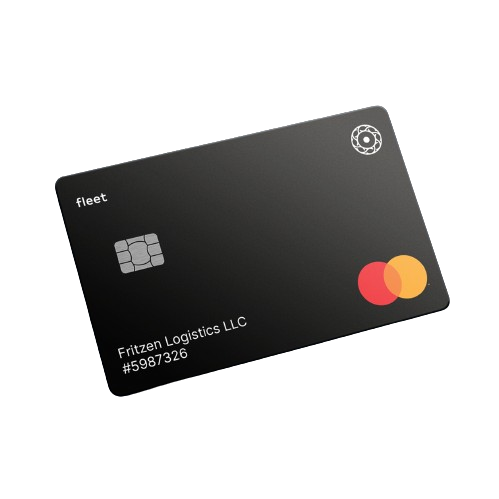
AtoB offers two options:
Both cards allow fleets to make vehicle-related purchases anywhere Mastercard is accepted. The AtoB Driver App helps drivers locate lower-cost truck stops along their routes through the AtoB Discount Network.
Beyond fuel savings, AtoB combines spend controls, reporting, fraud prevention, and fleet expense management within a unified fleet financial platform designed for transportation businesses.
Businesses already using the best fleet management software for small businesses can use AtoB to add fuel spending visibility and financial controls alongside their existing operational tools.
WEX is one of several companies offering fuel management tools, transaction reporting, and participating fueling network access for commercial fleets. Savings structures vary based on fuel volume, network participation, and program terms.
Coast operates on the Visa network and supports app-based purchase authorization for driver transactions. The platform includes fuel savings at participating locations along with additional expense management tools for vehicle-related purchases beyond fuel.
Fuelman provides fuel management tools and rebate programs through participating fuel networks, with savings that vary based on network participation, fuel volume, and billing structure.
The platform also supports fuel and maintenance purchases through its mixed fleet card program, although businesses should review pricing structures and reporting capabilities when evaluating long-term operating costs.
Shell provides branded fuel discounts and access to participating fueling locations. Businesses should review current pricing, fee structures, and rebate requirements directly through Shell before applying.
Shell Card Business Flex combines Shell-branded fuel savings with broader fueling network access. Businesses should review current program terms and network participation requirements when comparing options.
Sunoco provides fuel discount programs through participating fueling locations. Businesses should compare network availability, reporting tools, and pricing structures when evaluating long-term suitability for their fleet.
While per-gallon savings often receive the most attention, many fleet operators find that fraud prevention, maintenance tracking, and fleet expense management capabilities deliver equal value over the course of a billing cycle.
These operational capabilities can have a significant impact on long-term profitability.
Advanced fraud protection features include:
Modern fleet card platforms can help businesses manage:
AtoB is a unified fleet management platform that combines:
The AtoB Driver App, reporting tools, and IFTA automation features operate within a single system designed to help businesses improve fuel efficiency, cut fuel costs, and manage multiple fuel programs.
AtoB supports businesses at different stages of growth with credit and prepaid fleet payment options, helping fleet operators manage fuel expenses, spending controls, and operational efficiency on a single platform.
The platform serves a wide range of businesses operating vehicles, including trucking, landscaping, HVAC, field services, construction, and delivery operations.
Ready to see how much your fleet can save? Apply for an AtoB fuel card in minutes.
A fleet card helps businesses assign vehicle-related purchases to specific drivers and vehicles, which can reduce manual reconciliation.
The answer depends on fleet size, routes, and operational priorities. Businesses evaluating what the best fleet card for small business operations is should compare fuel savings, fraud prevention, reporting, fleet expense management, and network acceptance. AtoB is designed to support growing fleets that need more than standard credit cards and basic fuel discounts.
Many fuel cards work for approved vehicle-related purchases beyond fuel, and some cards can be used for maintenance, repairs, tolls, and other operating expenses, depending on program rules.
Cards on the Mastercard or Visa network can be used anywhere those networks are accepted, though fleet managers can restrict spending to specific categories.
How much fuel cards save you money depends on fuel volume, fuel type, route density, and how consistently drivers access discount locations. Fuel rebate programs and rebates on fuel may reduce operating costs, while fraud prevention and reporting tools can generate additional value beyond fuel savings alone.
Many fleet card programs support vehicle-related expenses beyond fuel, including maintenance, repairs, tolls, and other approved operating costs. Some platforms also include reporting, spending controls, fleet expense management, and accounting tools that help businesses manage overall fleet operations.

.jpg)