
Get started
Get started

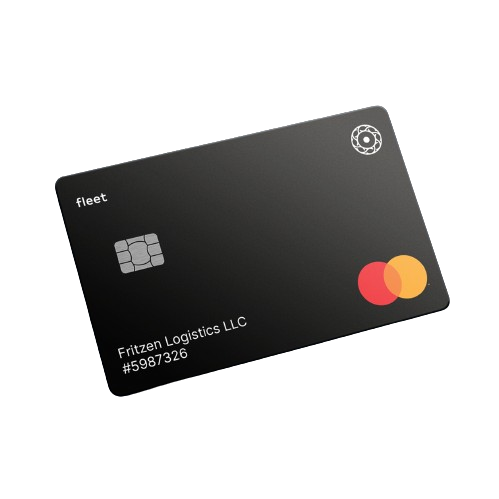
A fleet card is the right choice when fuel costs climb, spending controls are absent, and manual receipt tracking drains your time. This article covers the signs your small business is ready for a fleet card, how much you can save, and eight fleet card program benefits that go beyond fuel discounts. Whether you operate two vehicles or twenty, the right fleet fuel card can cut costs and simplify operations from day one.
Most small business owners do not realize they have outgrown personal credit cards and cash receipts until fuel costs start eating into margins. The inflection point often arrives when a second or third vehicle joins the fleet, monthly fuel expenses become difficult to reconcile, and reimbursement requests pile up without a clear audit trail.
Even businesses operating two or three vehicles benefit from centralized fuel management. Fleet fuel cards differ from standard business credit cards in several important ways:
Fleet fuel cards are purpose-built for these operational needs. For businesses just getting started with fleet spending, a fuel card designed for new businesses can simplify onboarding and remove the guesswork of tracking receipts across multiple drivers.
If your operation is spending more than a few hundred dollars a month on fuel and you cannot see exactly where every dollar goes, a fleet card is likely overdue.
Fleet fuel card savings typically come from three areas: per-gallon fuel discounts, volume-based pricing programs, and reduced administrative costs through automated reporting.
AtoB offers up to 42¢ off per gallon* at participating truck stops, with savings of up to $2.00 per gallon at select locations. For small fleets fueling multiple vehicles each week, those savings can add up quickly across routes, drivers, and billing cycles.
However, fuel savings are only one part of the value equation. Small businesses often realize additional savings through reduced administrative work, improved expense visibility, fraud prevention, and better control over vehicle-related spending.
A detailed comparison of the best fleet cards for small businesses can help clarify which fleet card delivers real savings for your operation.
* Average discount of 42¢ refers to realized average savings per gallon of truck diesel across AtoB customer transactions at merchant partner truck stops during H2 2025. The up to discount of $2.00 refers to max realized savings per gallon of truck diesel across AtoB customer transactions at merchant partner truck stops during H2 2025. Average discount of 5¢ off per gallon of unleaded is an average across AtoB customer transactions at merchant partner gas stations during H2 2025.
Fuel discounts are often the first reason small businesses adopt a fleet card. Even modest per-gallon savings can add up quickly across multiple vehicles, helping businesses reduce fuel costs as they grow.
Fleet cards help small businesses control purchases by setting limits by driver, vehicle, fuel type, time of day, or merchant category. These controls help reduce unauthorized spending and improve accountability without requiring constant oversight.
Fuel fraud can significantly impact small business margins. Modern fleet cards use controls such as driver PINs, telematics validation, transaction monitoring, and card-lock features to help identify suspicious activity before it becomes a larger expense.
Fleet cards automatically capture transaction data, making it easier to track spending by driver and vehicle without relying on manual receipt collection or spreadsheet reconciliation. This can save valuable administrative time for small business teams.
Many fleet cards support approved vehicle-related expenses beyond fuel, including maintenance, repairs, parts, tolls, and other operating costs. Consolidating these expenses into one system provides a more complete view of fleet spending and simplifies bookkeeping.
Some fleet card programs report payment activity to business credit bureaus, allowing small businesses to build credit through routine operational spending. Stronger business credit can support future financing needs as the fleet grows.
For companies that are just beginning to manage vehicle expenses at scale, a fuel card for new businesses can provide spending controls and reporting tools without requiring a complex fleet management process
Mobile apps help drivers locate fuel discounts and allow managers to monitor spending, approve transactions, and review reports from anywhere. This visibility is especially valuable for small business owners managing operations both in and out of the office.
As businesses grow, managing fuel, maintenance, reporting, and driver expenses across multiple systems becomes increasingly difficult. Platforms like AtoB combine fuel savings, spend controls, reporting, fleet expense management, and business financial tools within a unified fleet financial platform.
For small businesses with limited administrative resources, consolidating these functions into one system can reduce manual work, improve visibility into operating costs, and simplify day-to-day fleet management.
Fleet cards deliver value well beyond fuel discounts. A strong business fuel card should cover eight core areas that reduce costs, prevent fraud, and simplify fleet card operations for small businesses.
If you are wondering how to get a fleet gas card or whether your business is ready for one, the threshold is often lower than most owners expect. Businesses operating two or more vehicles and spending regularly on fuel typically benefit from per-gallon discounts, spending controls, and centralized reporting.
A comprehensive fleet card program includes spending controls, automated expense reporting, fraud prevention, business credit building through bureau reporting, and mobile management tools for both drivers and fleet managers.
AtoB offers competitive diesel discounts at more than 4,200 truck stops, acceptance anywhere Mastercard is accepted, and automatic reporting to Experian to help build business credit.
The right fleet card reduces fuel costs, prevents fraud, and simplifies operations rather than adding complexity. For small businesses spending $500 or more per month on fuel across two or more vehicles, a dedicated fleet card delivers measurable value from day one.
AtoB combines competitive fuel discounts, spending controls, fraud prevention, business credit building, and mobile management tools into one unified platform. Whether your fleet runs locally or across state lines, AtoB is built to help you spend less time on administrative work and more time growing your business.
Explore AtoB's Fleet Financial platform to see how fuel savings, spend controls, and fleet expense management can support your operation.

.jpg)