
Get started
Get started


Fleet management is the system and processes required to operate and optimize a fleet of vehicles.
Organizations use fleet management software to increase the overall function and capabilities of their commercial vehicles. Fleet fuel management allows organizations to track performance and monitor any fleet maintenance to boost overall productivity and keep operations running smoothly.
Fleet management combines real-time tracking, analytics, and decision-making to help fleet managers reduce fleet costs, improve efficiency, and maintain consistent performance across a fleet of vehicles.
Fleet systems collect data from GPS tracking and telematics devices installed in vehicles. This includes vehicle location, fuel usage, idle time, and vehicle usage patterns. Real-time data allows fleet managers to track vehicle movement, monitor driver activity, and maintain visibility across operations.
Collected data is processed into usable insights through analytics and reporting tools. Fleet managers evaluate key metric indicators such as fuel costs, route efficiency, and maintenance schedules to identify trends and inefficiencies. This step helps prioritize areas that require attention.
Based on insights, fleet managers make informed decisions to improve performance. This can include adjusting dispatch routes, optimizing vehicle acquisition strategies, or addressing excessive idle time. Data-driven decisions help ensure resources are used efficiently across fleet operations.
Fleet management systems help automate ongoing improvements by continuously monitoring performance. Over time, fleets can reduce fuel consumption, improve vehicle usage, and streamline operations. Optimization ensures long-term efficiency and cost control without requiring constant manual oversight.
Managers who look after their fleet’s operations maximize the fleet’s efficiency in key areas, including:
Keeping every element of a fleet functioning at full capacity boosts effectiveness, cuts down operational costs, and reduces waste. Plus, leveraging the power of vehicle telematics provides additional opportunities to analyze key pieces of data.
{{CTA}}
A fleet manager can have a wide range of roles and responsibilities to help a fleet run smoothly. With many moving parts, having a dedicated manager to monitor, evaluate, and upgrade areas such as cost reduction, safety, and tracking will have a critical impact.
Here are a few of the primary tasks a fleet manager is responsible for:
Each component plays a role in improving visibility, reducing fleet costs, and maintaining control across a fleet of vehicles.
Telematics systems collect and transmit data from vehicles, including speed, location, and performance metrics. This data provides real-time insights that help fleet managers monitor operations and improve decision-making.
GPS tracking enables fleet managers to track vehicle movement and monitor vehicle location in real time. This improves dispatch efficiency and supports better route planning across daily operations.
Fuel management focuses on monitoring fuel usage and identifying opportunities to reduce fuel costs. By analyzing fueling patterns and driver behavior, fleets can improve efficiency and reduce unnecessary expenses.
Maintenance systems track vehicle health and manage maintenance schedules. Staying ahead of maintenance needs helps reduce downtime, extend asset life, and improve reliability.
Compliance tools help fleets meet regulatory requirements related to safety, reporting, and operations. These systems ensure fleet managers maintain consistency across all vehicles and avoid disruptions.
Driver management focuses on improving performance and safety through data and visibility. Monitoring driver behavior helps reduce risk, improve efficiency, and support better decision-making across fleet operations.
Proper fleet management systems can impact an entire organization by enhancing driver performance, safety protocols, productivity, and profit.
A few additional benefits of a fleet management solution include:
Fleet management software is a centralized platform that helps fleet managers monitor, analyze, and optimize fleet operations. It integrates data from multiple systems to provide a complete view of performance across a fleet of vehicles.
Software can help automate tasks such as dispatch, reporting, and maintenance tracking, reducing manual work and improving accuracy. It also enables fleet managers to track vehicle location, monitor fuel usage, and manage maintenance schedules from a single system.
By combining analytics, automation, and real-time visibility, fleet management software helps organizations reduce fuel costs, improve operational efficiency, and maintain better control over fleet performance. As fleets grow, software becomes essential for managing complexity and scaling operations effectively.
{{CTA}}
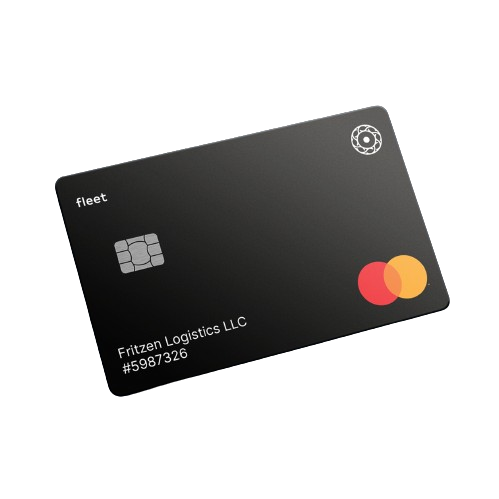
Effective fleet management is essential for finding ways to reduce costs and keep drivers driving. It benefits both your business and the customers you serve, and AtoB has what you need to keep your drivers on the road for longer with our next-generation fuel card.
It also covers a range of expenses, from insurance, repairs, tolls, and more, and is powered by Mastercard technology, meaning it is accepted across a broad network of fuel locations. Tap into your potential savings with the AtoB fuel card to see the difference it can make when managing your fleet.
Sources
Motive. Fleet Management Benefits and Advantages.
https://gomotive.com/guides/fleet-management/fleet-management-benefits/
MiX Telematics. Fleet Management Benefits.
https://www.mixtelematics.com/us/resources/the-benefits-of-fleet-management
Samsara. Everything You Need to Know About Fleet Management.
https://www.samsara.com/guides/what-is-fleet-management/

.jpg)