
Get started
Get started


Trucking companies operating across state lines face a dual challenge: managing quarterly IFTA fuel tax reporting while maintaining the cash flow needed to cover those tax obligations. The right financial solutions can transform IFTA compliance from a manual, error-prone process into an automated workflow that captures required data as part of normal fleet operations.
This guide explains how fuel cards, telematics integration, expense management platforms, and financing options work together to simplify IFTA reporting, reduce audit risk, and help trucking companies manage the cash flow pressure that quarterly tax payments create.
Trucking companies operating across state lines must report fuel purchases and miles traveled to multiple jurisdictions each quarter. Understanding the basic framework, required data points, and jurisdiction-specific variations helps fleet operators build compliant reporting processes from the start.
IFTA is a fuel tax collection arrangement between the lower 48 U.S. states and 10 Canadian provinces. It simplifies fuel tax compliance for trucking companies that would otherwise need to register and file separately in every jurisdiction they travel through.
Under this system, carriers file their IFTA return in their base jurisdiction. This IFTA quarterly tax filing reports fuel use and miles driven across North America, including activity in both the United States and Canada. The base jurisdiction then distributes the appropriate state tax to each state or provincial authority based on reported activity.
Not every vehicle qualifies. Carriers must determine which vehicles require an IFTA permit and comply with IFTA requirements. Qualifying vehicles include:
Each quarter, carriers need to report detailed operational and fuel data. These quarterly reports require:
Because fuel tax obligations vary across tax structures and jurisdictions, accuracy is important. Carriers must ensure all transaction-level data is complete and consistent to comply with IFTA requirements.
Returns follow a fixed schedule throughout the year:
Most jurisdictions now accept online filing through their portals.
Several jurisdictions impose additional reporting requirements, and carriers must also identify non-IFTA miles and track them separately:
These variations reflect differences in state and provincial tax laws. Carriers must stay updated on rate changes and requirements to avoid miscalculations or additional tax exposure.
Most IFTA compliance issues trace back to disconnected financial systems rather than a lack of understanding. Without integrated tools, fleets struggle to collect accurate data and maintain regulatory compliance.
Estimated mileage and incomplete fuel records create discrepancies that auditors can quickly identify. When reported miles do not align with fuel consumption patterns, jurisdictions flag returns for further review.
Lost or incomplete fuel receipts compound the problem. A receipt missing gallons purchased, fuel type, or transaction location cannot support the jurisdiction-level reporting that IFTA requires. These gaps often result in higher calculated tax liability because carriers cannot prove fuel was purchased in each state. Manual compilation of mileage and fuel records is time-consuming and error-prone.
Failing to file an IFTA return on time can trigger penalties and interest. Carriers may face license suspension or additional enforcement actions.
Each jurisdiction is required to audit a percentage of carriers annually. During audits, regulators compare mileage, fuel purchases, and calculated fuel consumption.
Carriers must retain records for at least four years. Without organized documentation, audits become time-consuming and increase financial risk.
Modern fleet payment solutions simplify fuel tax reporting by capturing data automatically during normal operations. Instead of scrambling at the end of the quarter, trucking companies using integrated financial platforms maintain ongoing, automated data collection.
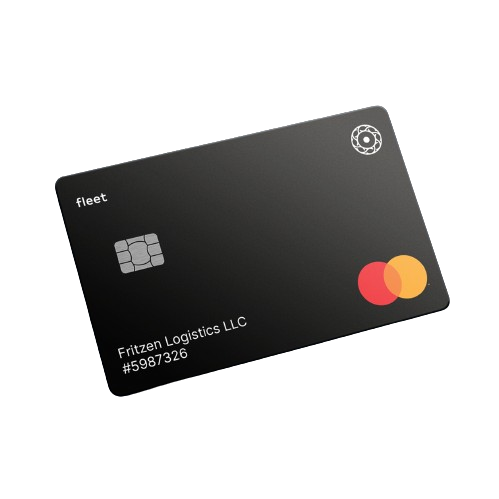
Fuel cards simplify fuel tax reporting by capturing key transaction details automatically. Each transaction records:
Audit guidance from the Kentucky Transportation Cabinet confirms that valid documentation must include these details.¹ Standard credit cards do not provide this level of detail.
Fleet fuel cards also provide visibility into the fuel purchased, helping ensure accurate reporting across jurisdictions.
Cards accepted wherever Mastercard is used provide flexibility, while closed networks may limit fueling options.
Telematics systems automatically track miles driven in each state or province. This eliminates manual logs and reduces reporting errors.
The New York Department of Taxation confirms that electronic tracking systems can replace handwritten records.² This provides regulatory backing for automated mileage tracking.
Combining telematics data with fuel card transactions creates a reliable, audit-ready dataset.
Fraudulent transactions can distort fuel reporting and lead to incorrect filings. Preventing unauthorized purchases protects both financial accuracy and compliance.
Telematics-based fraud controls address this risk through multiple mechanisms, including:
These controls ensure that only legitimate transactions are recorded.
Quarterly tax obligations create cash flow pressure for many trucking companies, especially when shipper and broker payment terms extend to net 30, 60, or even 90 days. The financing structures below help carriers manage these timing gaps.
Credit-based fuel cards allow fleets to defer fuel payments. This helps preserve cash for tax obligations.
Prefunded cards provide an option for fleets without established credit. Both structures support compliance while improving liquidity.
Freight factoring converts unpaid invoices into working capital. Carriers receive funds without waiting for broker or shipper payments.
This approach helps trucking companies maintain consistent cash flow and cover IFTA tax obligations when they come due.
When factoring integrates with fuel cards, transaction data flows automatically into reporting systems. This creates a streamlined workflow that supports both funding and compliance.
Fleet expense tracking software that categorizes fuel purchases by state, driver, and vehicle eliminates the manual data work that makes quarterly IFTA filing burdensome. This reduces manual work and ensures consistent reporting.
Modern platforms generate IFTA-ready reports with jurisdiction-level breakdowns. These reports can be exported directly or integrated into accounting systems.
Automated categorization separates fuel from maintenance, tolls, and other vehicle-related purchases. This supports cleaner fleet reporting while maintaining the granular fuel data IFTA demands. Centralized dashboards provide real-time visibility into fuel spend patterns throughout the quarter rather than only at filing time.
Integrating fuel card data, telematics, and dispatch records creates a complete compliance dataset.
This approach aligns with how auditors validate reports. It reduces reconciliation work and improves reporting accuracy.
How Do You Choose the Right Financing Solution?
Selecting a financial platform for IFTA compliance involves evaluating several key factors, including the following:
The fuel card network structure directly affects IFTA report data capture. Cards that can make vehicle-related purchases nationwide provide maximum flexibility, while closed-network cards may force suboptimal fueling decisions that limit where data can be collected.
Evaluate whether the platform supports:
Strong fraud controls protect both financial operations and compliance accuracy. Location verification, fuel-level tracking, and real-time alerts prevent unauthorized transactions that corrupt compliance records.
The most effective platforms combine:
A unified platform reduces administrative burden and supports ongoing regulatory compliance.
AtoB provides a fleet financial platform that integrates fuel savings, spend controls, fraud prevention, and IFTA-ready reporting. This approach helps carriers operate more efficiently while maintaining compliance.
Any trucking company operating a qualified motor vehicle across two or more IFTA member jurisdictions must file quarterly tax returns in their base state.
Inaccurate vehicle mileage tracking, missing fuel receipts, applying incorrect fuel tax rates, and filing or paying late are the primary errors, most stemming from fragmented data systems.
Significant discrepancies between reported mileage and fuel purchases compared to calculated consumption are the primary triggers, with each jurisdiction required to audit a percentage of its carriers annually.
Fleet fuel cards automatically capture the transaction-level data IFTA requires, including gallons, fuel type, location, price, date, and vehicle identification, eliminating manual receipt collection.
Yes, fuel card programs operate independently, though pairing with factoring enables direct-to-card funding that can further simplify cash flow management.
Credit requirements vary by product. Many fleet fuel card programs offer prepaid or prefunded options that do not require traditional credit checks.
IFTA compliance does not need to consume hours of administrative time each quarter. When fuel cards, telematics, and expense management tools work together within a single platform, the data IFTA requires accumulates automatically as part of normal fleet operations. This integrated approach reduces audit risk, prevents compliance penalties, and frees fleet managers to focus on operations rather than paperwork.
AtoB is more than a fuel card provider. It is a unified fleet financial platform that combines fuel savings, fraud prevention, spend controls, and IFTA-ready reporting into one system built specifically for transportation businesses. By consolidating these financial functions, AtoB helps trucking companies simplify the data collection needed for IFTA compliance while running smarter, more controlled, and more resilient operations.

.jpg)