
Get started
Get started


Trucking companies face a persistent cash flow challenge. They pay for fuel, repairs, and driver wages immediately, but wait 30 to 90 days for broker and shipper payments to arrive. That timing mismatch creates recurring cash flow gaps, even when the operation is profitable on paper.
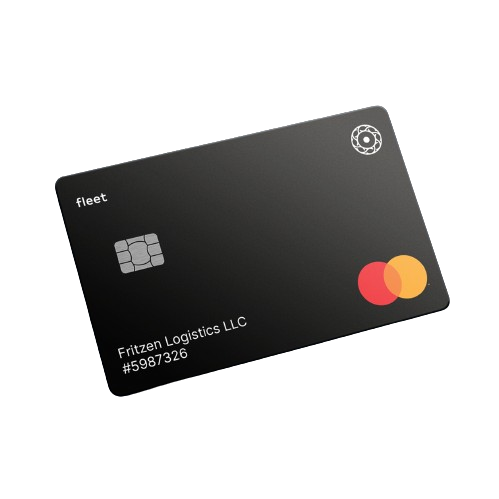
This guide outlines five proven cash flow solutions designed to help trucking companies improve liquidity in 2026. From freight factoring to fuel optimization and smarter payment solutions, each solution addresses a different part of the cash flow equation. For fleets looking to reduce the expense side of the cash flow equation, company fuel cards with built-in discount networks and spend controls can deliver measurable per-mile savings.
Cash flow gaps in the trucking industry are structural. They are not caused by poor planning alone. Understanding why cash flow issues occur helps carriers choose the right solution for their business.
Standard payment terms in freight create an unavoidable timing gap between completing work and receiving payment. As a result, operating cash remains tied up in outstanding invoices while new truck expenses continue to accumulate. This timing gap creates recurring strain on cash flow across the industry.
A single major repair or unexpected insurance claim can strain cash flow. When multiple invoices remain outstanding, these sudden expenses become especially difficult to absorb.
Many trucking businesses struggle to qualify for loans or lines of credit. Banks require extensive documentation that most owner-operators and small fleets cannot provide. Strong credit history, years of tax returns, and collateral are standard requirements.
According to the Federal Reserve's 2025 Small Business Credit Survey, only 42% of small business applicants receive the full amount of financing they seek1. Even when carriers qualify, traditional loans add debt to the balance sheet. Loans create fixed repayment obligations, which can compound financial stress during slow freight periods. For trucking companies, managing cash flow requires more flexible solutions.
Below are five practical strategies that can help trucking businesses strengthen liquidity, reduce financial stress, and build a more stable foundation in 2026.
Invoice factoring in trucking is the most widely used fast cash flow solution in the industry. It turns unpaid invoices into immediate cash without creating debt on the carrier's books.
In freight factoring, a carrier sells unpaid invoices to a factoring company. They receive a cash advance, often up to 90% of the invoice value2, within 24 hours. The factoring company then collects payment directly from the broker or shipper.
Factoring is based on the broker's creditworthiness rather than the carrier's credit score. This helps trucking companies with new authorities, including those just learning how to start a trucking company, and owner-operators who lack an extensive credit history, to access working capital.
These two structures handle non-payment risk differently:
Freight factoring rates typically range from 1% to 5% per invoice. Some factoring companies also require volume minimums or long-term contracts that reduce flexibility. Funding speed remains tied to business hours for many traditional providers. Loads delivered on nights, weekends, or holidays may experience delayed payment.
Short-term loans provide a lump sum of cash with fixed repayment terms.
How Loans Work
The trucking company receives funds upfront and repays the balance over time with interest. These financing options may support equipment purchases or business growth.
Monthly repayments continue even during slow freight periods. This adds financial stress rather than relieving it during lean times. Using debt to solve cash flow issues can compound the problem. Interest accrues on top of already-thin margins, making the gap harder to close.
Carriers who need to cover daily operating expenses are generally better served by invoice-based solutions. Factoring aligns funding with completed loads rather than creating fixed obligations.
A business line of credit offers revolving access to funds that can be drawn as needed. This provides more flexibility than a fixed-term loan with a single disbursement.
Lines of credit can supplement factoring and provide access to funds for irregular expenses like repairs or insurance renewals.
Qualification often requires strong business credit and financial documentation. Many trucking companies, particularly small or medium-sized fleets, may not meet those requirements.
Unlike factoring, credit lines are not tied to completed loads. They provide borrowed cash rather than earned revenue.
Most cash flow guides focus only on collecting revenue faster. However, every dollar saved when you reduce fleet expenses has the same impact on liquidity as a dollar collected sooner.
Fuel cards and structured discount networks help trucking companies reduce fuel costs automatically. Every dollar saved improves cash flow and reduces financial stress. Carriers should also evaluate potential hidden costs of fuel cards to ensure net savings remain positive.
Optimal station selection tools identify the lowest-cost fuel along each route. Fleet managers can direct, monitor, and enforce fueling decisions through proactive fuel monitoring to maximize savings. A fleet fuel card provides the access point for these discount programs.
Unauthorized transactions, card misuse, and fuel fraud are direct cash flow drains.
Modern fleet cards offer multiple layers of protection:
Preventing losses helps trucking companies maintain steady cash flow.
Fragmented financial tools increase administrative burden. Separate fuel cards, banking, payroll, and accounting systems make it difficult to see the full picture.
Consolidating payment solutions into a unified platform improves visibility and supports effective cash flow management. Fleet expense tracking software, like AtoB, provides this unified view.
Operational best practices can reduce financial stress without adding any financial products or fees. These strategies require effort but cost nothing to implement.
For carriers with consistent volume and strong relationships, shorter payment terms may be negotiable. Net-15 or net-20 arrangements put cash in hand faster. Even a reduction from net-45 to net-30 meaningfully narrows the cash flow gap.
Evaluating freight broker credit ratings and payment histories before hauling protects against delayed payments and bad debt. Free credit-check tools are available from factoring companies and industry platforms. Use them to assess risk, including the risk of double brokering, before committing to any load.
An invoice submitted the same day delivery is completed can get paid faster and reduce the total cash conversion cycle. Even small delays in submission extend payment timelines.
Freight factoring with fast funding is often the quickest way to convert completed loads into cash.
Most freight factoring and fuel advance programs do not require strong carrier credit.
Factoring is often one of the few immediately available options for new fleets.
Reducing per-gallon cost across an entire fleet compounds into significant weekly and monthly cash savings that stay in the business.
For day-to-day cash flow timing, factoring is generally a better fit. It does not create debt, does not accrue interest, and scales naturally with load volume.
The carriers with the strongest liquidity in 2026 manage both sides of the cash flow equation. They accelerate inflow through factoring or quick pay while reducing outflow through fuel savings, fraud prevention, and centralized expense management.
For fleets ready to take control of the expense side, AtoB provides a unified platform that combines fuel discounts, spend controls, fraud protection, and real-time reporting.
Rather than managing fragmented tools across multiple vendors, operators can consolidate their fleet financial operations into one system designed specifically for trucking businesses. Explore AtoB's fleet payment solutions to see how modern fleet financial infrastructure can improve cash flow from both directions.
NerdWallet. Invoice Factoring: What It Is and How It Works. https://www.nerdwallet.com/business/loans/learn/invoice-factoring

.jpg)